Monday, March 20, 2023

TYPES OF SKIN AGING AND SOLUTIONS TO AGE GRACEFULLY

Aging is a complex process that each of us experiences in a distinctive way, especially when it comes to obvious aspects of aging like our skin or hair.


Genetics plays an important role in our skin’s appearance. If both of your parents have maintained firm, smooth skin, chances are good that you will too. This is part of the intrinsic aspect of aging, which combines with cell function and hormonal changes to affect the skin’s appearance. Studies suggest our genes account only partially  for our skin’s overall aging process. Skin aging is a natural, inevitable process that occurs as we grow older, but it can also be influenced by external factors such as sun exposure, pollution, and lifestyle habits like smoking and poor diet. There are two types of skin aging: intrinsic and extrinsic.

Intrinsic Skin Aging

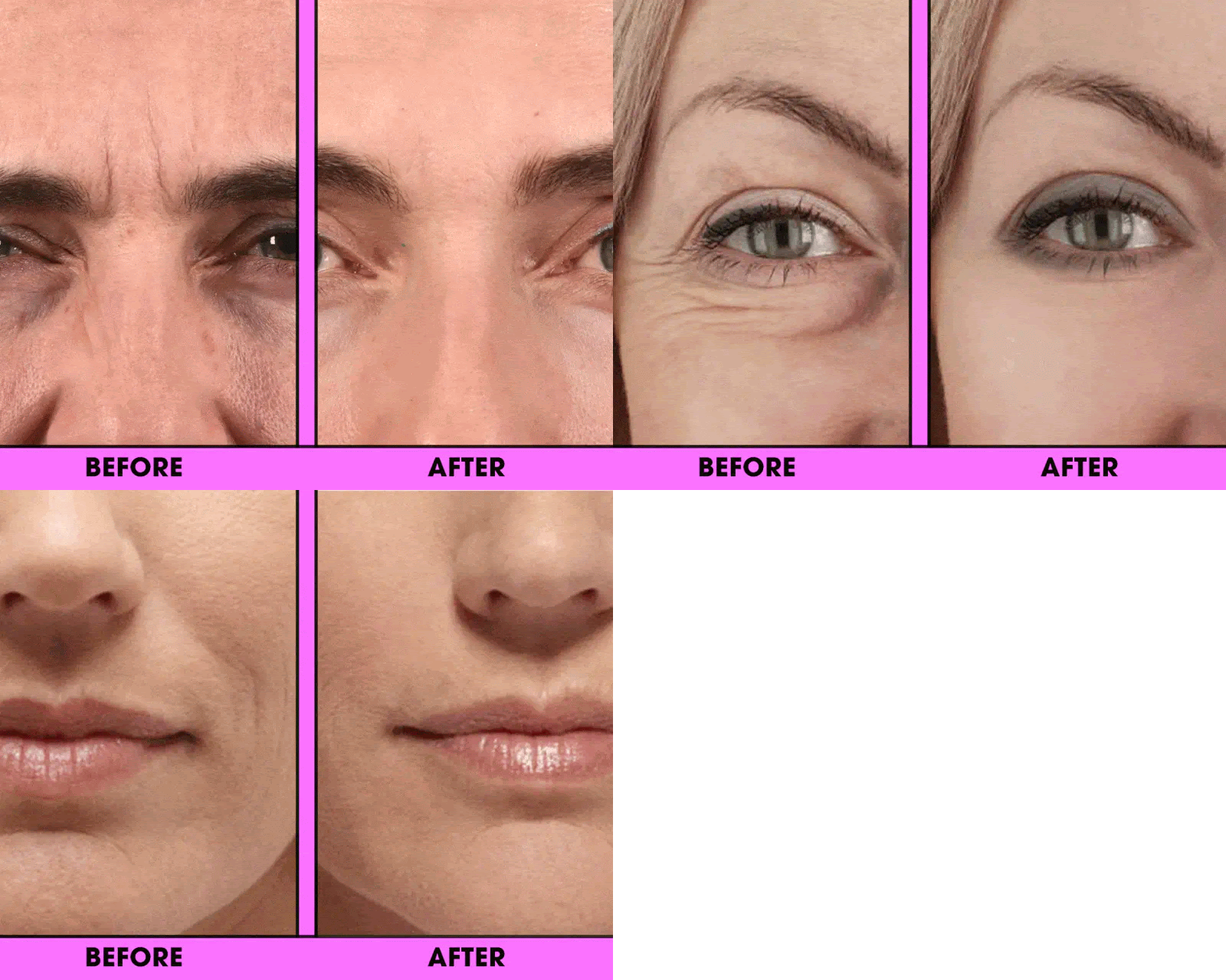
Intrinsic or chronological skin aging is the natural aging process that occurs within the body. It is influenced by genetic factors and affects the structural and functional properties of the skin.

Causes

Intrinsic skin aging is caused by a combination of factors such as:

  • Genetics: Our genes determine how quickly our skin ages and how well it is able to repair itself.
  • Hormonal changes: Changes in hormone levels that occur with age can affect the skin's elasticity and moisture content.
  • Oxidative stress: This occurs when there is an imbalance between the production of free radicals and the body's ability to neutralize them, resulting in damage to the skin's cells.
  • Decreased collagen production: Collagen is a protein that provides structure and elasticity to the skin. As we age, our body produces less collagen, leading to sagging and wrinkles.
  • Reduced skin cell turnover: The rate at which skin cells regenerate decreases as we age, resulting in a dull and uneven skin tone.


Symptoms

The symptoms of intrinsic skin aging include:

  • Fine lines and wrinkles
  • Loss of skin elasticity
  • Thinner skin as a result of gradual dermal atrophy
  • Uneven skin tone
  • Dryness and roughness

Treatment

Treatment options for intrinsic skin aging include:

  • Antioxidant-rich diet: Foods that are high in antioxidants can help protect the skin from oxidative stress and reduce the signs of aging.
  • Topical retinoids: These are derivatives of Vitamin A and can improve skin texture and reduce the appearance of fine lines and wrinkles.
  • Chemical peels: These can help improve the skin's texture and reduce the appearance of fine lines and wrinkles.
  • Microneedling: This procedure involves using tiny needles to create small punctures in the skin, which triggers the body's natural healing response and stimulates collagen production.
  • LASER resurfacing.

Extrinsic Skin Aging

Extrinsic or environmental skin aging is caused by external factors such as sun exposure, pollution, and lifestyle habits like smoking and poor diet.

Causes

Extrinsic skin aging is caused by a combination of factors such as:

  • Sun exposure: The sun's UV rays can cause damage to the skin's cells, leading to premature aging.
  • Pollution: Exposure to pollutants in the air can cause oxidative stress and damage to the skin's cells.
  • Lifestyle habits: Smoking, poor diet, and lack of exercise can all contribute to premature aging of the skin. 

Symptoms

The symptoms of extrinsic skin aging include:

  • Wrinkles and fine lines
  • Age spots and pigmentation
  • Uneven skin tone
  • Dryness and roughness 
  • Loss of elasticity, laxity

Treatment

The most effective treatment for extrinsic aging is prevention. Avoiding excessive sun exposure, quitting smoking, and maintaining a healthy lifestyle can help slow down the aging process. In addition, there are a number of treatments available to address the symptoms of extrinsic aging, including topical treatments such as retinoids, antioxidants, and sunscreen, as well as minimally invasive procedures such as chemical peels and microdermabrasion.

In my opinion, preventing is always much easier than treating - and this is true also for skin aging.

Of course, we cannot be forever young, but there are many things we can do to slow the aging process, prevent premature aging  and age gracefully.  Here are some tips to be considered: 


  • Protect your skin from the sun every day. Sun protection is essential, independent of your daily activity. You can protect your skin by seeking shade, covering up with sun-protective clothing — such as a lightweight and long-sleeved shirt, pants, hat, and sunglasses with UV protection — and using broad-spectrum sunscreen, SPF 30 (or higher), and water-resistant. You should apply sunscreen every day to all skin that is not covered by clothing.

  • Avoid tanning. Every time you get a tan, you prematurely age your skin. This is true if you get a tan from the sun, a tanning bed, or other indoor tanning equipment. All emit harmful UV rays that accelerate the aging process of the skin.

  • If you smoke, stop! Smoking speeds up skin aging. It causes wrinkles and a dull skin.

  • Eat a healthy, well-balanced diet.There are studies suggesting that eating a high quantity of fresh fruits and vegetables may help prevent damage that leads to premature skin aging and also, that a diet rich in sugar or other refined carbohydrates can accelerate aging.

  • Drink less alcohol. Alcohol is rough on the skin. It dehydrates the skin, and in time, damages the skin. This can make us look older.

  • Exercise most days of the week. Moderate exercise can improve circulation and boost the immune system. This, in turn, may give the skin a more-youthful appearance.

  • Cleanse your skin gently. Scrubbing your skin clean can irritate your skin. Irritating your skin accelerates skin aging. Gentle washing helps to remove pollution, makeup, and other substances without irritating your skin.

  • Wash your face twice a day and after sweating heavily. Perspiration, especially when wearing a hat or helmet, irritates the skin, so you want to wash your skin as soon as possible after sweating.

  • Apply a facial moisturizer every day. Moisturizer preserves the water in our skin, giving it a more youthful appearance.


Monday, February 20, 2023

Vitamin C - POWER for our skin


Vitamin C, also known as Ascorbic Acid, is an essential nutrient that plays a crucial role in our body's overall health. While it is well known for its immune-boosting properties, vitamin C is also a key ingredient in many skincare products. In fact, vitamin C has been scientifically proven to have many benefits for the skin, including reducing the signs of aging, improving skin texture, and promoting a healthy glow.

Let's take a closer look at the many benefits of vitamin C for skincare:

  1. Boosts collagen production

Collagen is a protein that is essential for skin health, as it provides the structure and elasticity that keeps skin looking firm and youthful. Vitamin C is a key nutrient in the production of collagen, and studies have shown that it can help to increase collagen synthesis in the skin. By boosting collagen production, vitamin C can help to reduce the appearance of fine lines and wrinkles, as well as improve skin texture and firmness.

  1. Protects against sun damage

Exposure to the sun's harmful UV rays is one of the leading causes of skin damage, including sunburn, wrinkles, and age spots. Vitamin C is a powerful antioxidant that can help to protect the skin against the damaging effects of the sun. It works by neutralizing free radicals, which are unstable molecules that can cause damage to skin cells. By protecting against sun damage, vitamin C can help to prevent premature aging and reduce the risk of skin cancer.


  1. Brightens and evens out skin tone

Uneven skin tone, dark spots, and hyperpigmentation are common skin concerns that can be caused by a variety of factors, including sun damage, hormonal changes, and aging. Vitamin C has been shown to have a brightening effect on the skin, as it can help to reduce the appearance of dark spots and promote a more even skin tone. It works by inhibiting the production of melanin, which is the pigment that gives skin its color. By reducing melanin production, vitamin C can help to lighten dark spots and brighten the overall complexion.


  1.  Fights inflammation

Inflammation is a natural response of the body's immune system to injury or infection. However, chronic inflammation can contribute to a variety of health problems, including skin conditions such as acne and rosacea. Vitamin C has been shown to have anti-inflammatory properties, which can help to reduce redness, swelling, and other symptoms of inflammation in the skin. By reducing inflammation, vitamin C can help to improve the overall health and appearance of the skin.

 Additionally, topical vitamin C can help with acne through its anti-inflammatory properties that help control sebum (oil) production within the skin. In clinical trials, twice-daily application of vitamin C reduced acne lesions, when compared to placebo.

  1. Improves skin hydration

Dry, dehydrated skin can look dull, rough, and aged. Vitamin C has been shown to have a hydrating effect on the skin, as it can help to improve the skin's barrier function and increase moisture retention. By improving skin hydration, vitamin C can help to promote a healthy, radiant complexion.

  1. Boosts wound healing

Vitamin C is an essential nutrient for wound healing, as it is involved in the production of collagen and other proteins that are necessary for tissue repair. Studies have shown that topical application of vitamin C can help to speed up the healing process of skin wounds, including cuts, burns, and surgical incisions.

  1. Enhances the effectiveness of sunscreen

While vitamin C can help to protect the skin against sun damage, it is not a substitute for sunscreen. However, studies have shown that when used in combination with sunscreen, vitamin C can enhance its effectiveness. By neutralizing free radicals and reducing inflammation, vitamin C can help to boost the skin's natural defense mechanisms against UV damage.

 Due to its benefits, vitamin C is widely used in skin care products and is available in many different forms - serums, creams, toner, vials.

I utilize concentrated vitamin C, personalizing the mesotherapy treatments for each of my patients by combining it with other ingredients, according to the problem I intend  to treat - acne, rosacea, sagged and dull skin, pigmented lesions, etc. 

I highly recommend to every woman over 30 to include vitamin C in the daily skin care routine, choosing the products, depending on age, skin type, specific skin issues. Of course, men can and should  also benefit from the "power" of vitamin C.


Monday, January 23, 2023

Skin Microbiome and Modern Skincare

"The skin microbiome is the billions of bacteria, fungi, and viruses that comprise the skin microbiota", says dermatologist Dr. Marnie Nussbaum. "The human skin has 1 billion microbes (bacteria) per square centimeter and that natural bacteria maintains the skin’s immunity and prevents pathogenic growths". 


 "You may not want to think of it, but your skin is not sterile", adds Dr. Zeichner, the Director of Cosmetic and Clinical Research in Dermatology at the Mount Sinai Hospital in New York City. "It is loaded with organisms like bacteria and yeast that are essential for proper functioning of the skin itself". A disrupted microbiome, where good bacteria are overrun by trouble-making bacteria, can result in acne, eczema, psoriasis and other skin disorders. 


In recent years, the study of the skin microbiome has led to the development of a new generation of skincare products that focus on supporting the growth and diversity of beneficial microorganisms.

One of the key players in this category are prebiotics. Prebiotics are non-digestible carbohydrates that serve as a food source for beneficial microorganisms. By providing a source of nutrition for these microorganisms, prebiotics help to promote their growth and diversity. This, in turn, supports the health and integrity of the skin barrier. "Think of them like fertilizer or food for good bacteria," says dermatologist Dr. Joshua Zeichner, who names thermal spring water and oat extract as commonly used prebiotic ingredients.

Some examples of prebiotics used in skincare products include inulin, fructo-oligosaccharides, and galacto-oligosaccharides.

Probiotics, on the other hand, are live microorganisms that are applied topically to the skin. These microorganisms are known to have beneficial effects on the skin, such as reducing inflammation and improving the skin barrier function. Probiotics used in skincare products are often strains of lactic acid bacteria, such as Lactobacillus and Bifidobacterium.

Another important component of this new generation of skincare products are the postbiotics. Postbiotics are the metabolites produced by microorganisms when they ferment prebiotics. These metabolites have been found to have various beneficial effects on the skin, such as reducing inflammation and promoting the growth of beneficial microorganisms. Some examples of postbiotics used in skincare products include lactic acid, acetic acid, and short chain fatty acids.

The use of prebiotics, probiotics, and postbiotics in skincare products is becoming increasingly popular, as they offer a natural and holistic approach to skin care. By supporting the growth and diversity of beneficial microorganisms, these ingredients help to maintain the integrity of the skin barrier, leading to a healthier and more youthful appearance.

Probiotic skincare typically uses actual probiotic elements for a therapeutic effect, versus microbiome-friendly products, which are more of a gentle or sensitive characteristic that won’t disrupt the microflora.

In conclusion, the skin microbiome plays a crucial role in maintaining the health and integrity of the skin barrier, and a new generation of skincare products is focusing on supporting the growth and diversity of beneficial microorganisms. By using prebiotics, probiotics, and postbiotics, these products offer a natural and holistic approach to skin care that promotes a healthier and more youthful appearance. As research in this field continues to evolve, we can expect to see even more innovative skincare products that harness the power of the skin microbiome.

Tuesday, January 17, 2023

Pro-aging Skincare


As the years progress, the appearance of our skin may undergo a lot of transformations that can leave it appearing lackluster and fatigued. Fine lines, wrinkles, and age spots may begin to manifest, and the skin may lose its suppleness and hydration. However, there exists a means of combating these hallmarks of aging and preserving a youthful and radiant complexion - pro-aging skincare.

Pro-aging skincare is a specialized form of skincare that targets the indications of aging and endeavors to prevent further deterioration. The foundation of pro-aging skincare is the utilization of ingredients that have been scientifically validated to effectively reduce the visibility of wrinkles, fine lines, and age spots, as well as restore elasticity and hydration of the skin.

A crucial ingredient in pro-aging skincare is Retinol, a form of Vitamin A renowned for its ability to improve the appearance of fine lines, wrinkles, and age spots. It functions by accelerating cell turnover and stimulating collagen production, thereby tightening and toning the skin. Retinol is also an antioxidant, which means it aids in protecting the skin from harm caused by free radicals.


Another important component of pro-aging skincare is Hyaluronic acid, a naturally occurring substance in the body that maintains skin hydration and plumpness. As the body ages, it produces less hyaluronic acid, leading to a dull and dehydrated complexion. By applying hyaluronic acid to the skin, one can augment hydration levels and restore a youthful appearance.


Peptides are also an essential element in pro-aging skincare. Peptides are small chains of amino acids that stimulate collagen production, which is the main factor for preserving skin elasticity. Peptides can also reduce the appearance of wrinkles and fine lines by plumping up the skin and smoothing out any unevenness.


Antioxidants are also vital in pro-aging skincare. Antioxidants are substances that protect the skin from damage caused by free radicals. Free radicals are molecules that can damage cells and contribute to the aging process. Antioxidants, such as Vitamin C, neutralize free radicals and prevent further damage.


In addition to utilizing pro-aging skincare products,  a healthy lifestyle and  sun protection play a significant role in maintaining the skin radiant and toned.  This includes consuming a nutritious diet, staying hydrated, getting sufficient sleep, and limiting sun exposure.

Properly protecting our skin from the sun is crucial, as UV rays can cause damage that leads to wrinkles, age spots, dehydration. Always use a sunscreen with an SPF of at least 30, and limit sun exposure during peak hours as much as possible.


In summary, pro-aging skincare can help reduce the appearance of wrinkles, fine lines, and age spots, as well as rejuvenate elasticity and hydration in the skin. The key to pro-aging skincare is the use of ingredients that have been scientifically validated to reverse the signs of aging. By incorporating these ingredients into the skincare routine, along with proper sun protection and a healthy lifestyle, we can preserve a youthful and radiant complexion for a long period of time.

Monday, January 9, 2023

Regenerative Aesthetics, the new era

Regenerative medical aesthetics is a branch of medicine that focuses on using non-surgical treatments to revitalize and regenerate the skin. These treatments are becoming increasingly popular as people search for ways to combat the effects of aging on their skin, such as wrinkles, dullness, sagging, and pigmentation. 

One of the most popular methods for skin regeneration is plasma and PRP (platelet-rich plasma) therapy. Plasma is a component of the blood that contains a high concentration of growth factors and proteins, which are necessary for tissue repair and regeneration. PRP therapy involves drawing a small amount of the patient's own blood, separating the plasma from the red and white blood cells, and then injecting the concentrated plasma back into the skin. This treatment is believed to stimulate the production of collagen, elastine, and other proteins that are important for skin health, leading to a more youthful and radiant appearance. 

Regenerative aesthetic procedures are also used for the treatment of hair loss and alopecia. In the case of hair loss, PRP therapy is often used in combination with other treatments, such as hair transplant surgery, mesotherapy, or topical medications. The Platelet Rich Plasma is injected into the scalp, where it stimulates the growth of new hair follicles and promotes the growth of existing ones. This can help to reverse hair loss and improve the overall appearance of the scalp. 

Collagen induction therapy is another popular treatment for skin regeneration. This method involves using a device that creates microscopic wounds in the skin, which triggers the body's natural healing process and stimulates the production of collagen. Collagen is a protein that gives the skin its structure and elasticity, so increasing its production can help to smooth out wrinkles and tighten the skin. 


While these treatments can be effective at improving the appearance of aging skin, it is always easier to prevent problems from occurring in the first place. A good skincare routine that includes using sunscreen, moisturizing, and avoiding harsh chemicals, along with regeneration treatment methods, can go a long way in preserving the health and youthful appearance of the skin. 

Both men and women can benefit from regenerative medical aesthetic treatments, and the face, neck, and hands are the most common areas targeted. However, these treatments can be used on any area of the body that is affected by aging.


Thursday, January 5, 2023

New Year - New Trends in Dermocosmetics: Emotional Skincare

Emotional skincare has emerged as a new trend in the world of Dermocosmetics, with an increasing number of people looking for skincare products that not only nourish and protect their skin, but also improve their mood.

One of the key drivers of this trend is the recognition that our skin and emotions are closely linked.

We often hear " falling in love makes you more beautiful and glowing". It is well known  how positive emotions, like happiness, joy, satisfaction influence skin condition. 

Stress can lead to a range of skin issues such as acne, eczema, and rosacea, while taking care of our skin can have a positive impact on our mental well-being. 

Numerous studies performed all over the world evidenced interesting facts:

Emotions experienced while performing skin care are greatly affected by the sense of touch. Therefore, there have been identified cream textures related to positive emotions. Various sensations revealed by touch that enhance positive emotions were investigated, with "richness", "blends well into skin", and "moist texture" found to be especially important. These findings were confirmed not only by subjective questionnaire answers, but also from cerebral blood flow measurements showing that positive emotions increased when skin cream designed to enhance those three touch sensations was applied.


To meet the demand for emotional skincare, a number of new natural ingredients have been introduced in recent years. Here are a few of the most notable ones:

  • Lavender oil: This essential oil is known for its relaxing and calming properties, making it an ideal addition to skincare products aimed at reducing stress and promoting relaxation.
  • Chamomile: Another natural ingredient with calming properties, chamomile is often used in skincare products to help soothe and calm the skin.
  • Rosewater: In addition to its refreshing and hydrating properties, rosewater is also said to have a soothing effect on the mind and emotions.
  • Aloe Vera: This versatile plant is known for its healing and soothing properties, making it an ideal ingredient for skincare products aimed at reducing inflammation and calming the skin.
  • Tea tree oil: This essential oil is known for its antimicrobial and anti-inflammatory properties, making it an effective treatment for a range of skin issues such as acne, eczema, and dry skin. It is also said to have a calming effect on the mind and emotions. 
  • And last, but not least - a phytofermented extract from fresh & organic jasmine flowers, a natural bioactive that can activate skin's sensors of touch, to release “feel-good” and anti-aging molecules (oxytocin,etc.) for well-feeling and well-ageing benefits.
In addition to these natural ingredients, there are also a number of other approaches that are being used to create emotional skincare products. One such approach is the use of scents and fragrances that are believed to have a positive impact on our emotional well-being. For example, the scent of lavender is often used to promote relaxation and calm, while the scent of citrus is thought to have a uplifting and energizing effect.

Another approach that is gaining popularity is the use of colors and visual aesthetics to create a more emotional experience. For example, some skincare products are designed with calming colors such as blue and green, while others use brighter and more vibrant colors to create a more upbeat and energetic feel.

Overall, emotional skincare is an exciting new trend in the world of Dermocosmetics, with a growing number of people seeking out products that not only nourish and protect their skin, but also help them feel better emotionally. With the use of natural ingredients and innovative approaches such as scents, colors and visual aesthetics, there is no doubt that this trend will continue to evolve and grow in the coming years.

Thursday, January 27, 2022

PRF - PLATELET RICH FIBRIN AND ITS BENEFITS


PRF - Platelet Rich Fibrin - is the ultimate autologous product, derived from platelets, used in many surgical fields to
accelerate and improve the healing process and with many proven benefits in aesthetic
medicine. 
The uniqueness of  PRF lies in the low spin speed, the short spin  duration
and the absence of any chemical anticoagulant additive, which means that this concentrate is 
100% natural. It is actually  a fibrin matrix , which contains platelet cytokines, growth 
factors, leukocytes and stem cells, that promotes wound healing, skin regeneration and hair 
growth. 
Using the regenerating properties of the platelets, PRF hydrates the skin, increases the blood
flow to combat the dullness of the skin and even its color.


PRF is a powerful ally against the harmful effects of sunlight and smoking, stimulating the
synthesis of elastin and collagen for a fresher and smoother appearance of the skin. 
In addition, micro injections with PRF are an extremely effective treatment for post-acne 
scars. 
PRF can be also used for hair growth and regeneration, in orthopedics - for the treatment of
knee joint problems - in wound care and skin regeneration after severe burns and also in
dentistry and implantology. 
One of the major advantages of the PRF procedure is the long lasting effect, due to the 
gradual release of the growth factors.
The PRF procedure is very simple, safe and has no major side effects. 
 How PRF is done:
1. Blood is collected in a special tube without any chemical additives.
2. The blood is spun at certain parameters.
3. After spinning, the PRF is collected in a syringe and used immediately.


The duration of a session is approximately 45 minutes, including blood collection and
spinning. 2-4 sessions are required for a complete facial treatment.
Of course, we must remember that each body reacts differently, the procedure being
personalized accordingly. The results vary from individual to individual, as does the 
number and frequency of meetings required.
This is the perfect alternative for those looking for an organic approach to treating the first 
signs of aging.
In my clinic, I use this new method for the rejuvenation and regeneration of the skin on face, 
neck, decollete and hands, for the treatment of scars and post-acne sequelae, and for the 
treatment of alopecia - regeneration and hair growth.


Longevity-Focused Anti-Aging Routine (Expert Version) - Optimized for Real Results, Not Trends

  Skin aging is increasingly understood as part of overall biological aging - influenced by inflammation, oxidative stress, hormonal balance...